6 Social Media Myths That Are Holding Artists Back (And What to Do Instead)
Last updated: 02/25/2026
Social media is full of bad advice, outdated strategies, and myths that just won’t die. And if you’re an artist trying to grow your audience and make more sales, believing the wrong things can keep you stuck…posting endlessly with nothing to show for it.
It’s time to clear up the confusion. Here are six social media myths that might be ruining your engagement, limiting your reach, and making it harder to get your art in front of the right people.
Myth #1: Posting and Ghosting Hurts Your Engagement
Not hanging out in the app after you post isn’t the problem. A lot of artists get overwhelmed by social media, and the idea that you’re supposed to sit there refreshing your phone and replying to comments in real time is honestly exhausting.
You don’t need to do that for your content to perform well.
What does help is being intentional about when and how you engage.
That can be as simple as setting aside a short window each day to check comments and respond. Even ten minutes is enough to show you’re present without letting social media take over your life.
You can also build engagement directly into your posts. Ask a simple question. Encourage people to tag a friend. Give them a reason to interact instead of hoping they’ll figure it out on their own.
Stories are another easy place to stay connected without pressure. Polls, Q&As, or quick check-ins count as engagement and help keep your audience warm without requiring long responses.
If you need to disappear after posting, that’s fine. Life happens. But consistently ignoring your audience sends a signal (both to people and to the algorithm) that there’s nothing happening on the other side.
A little intentional interaction goes a long way, and it doesn’t have to be all or nothing.
Myth #2: Followers Are the Most Important Thing
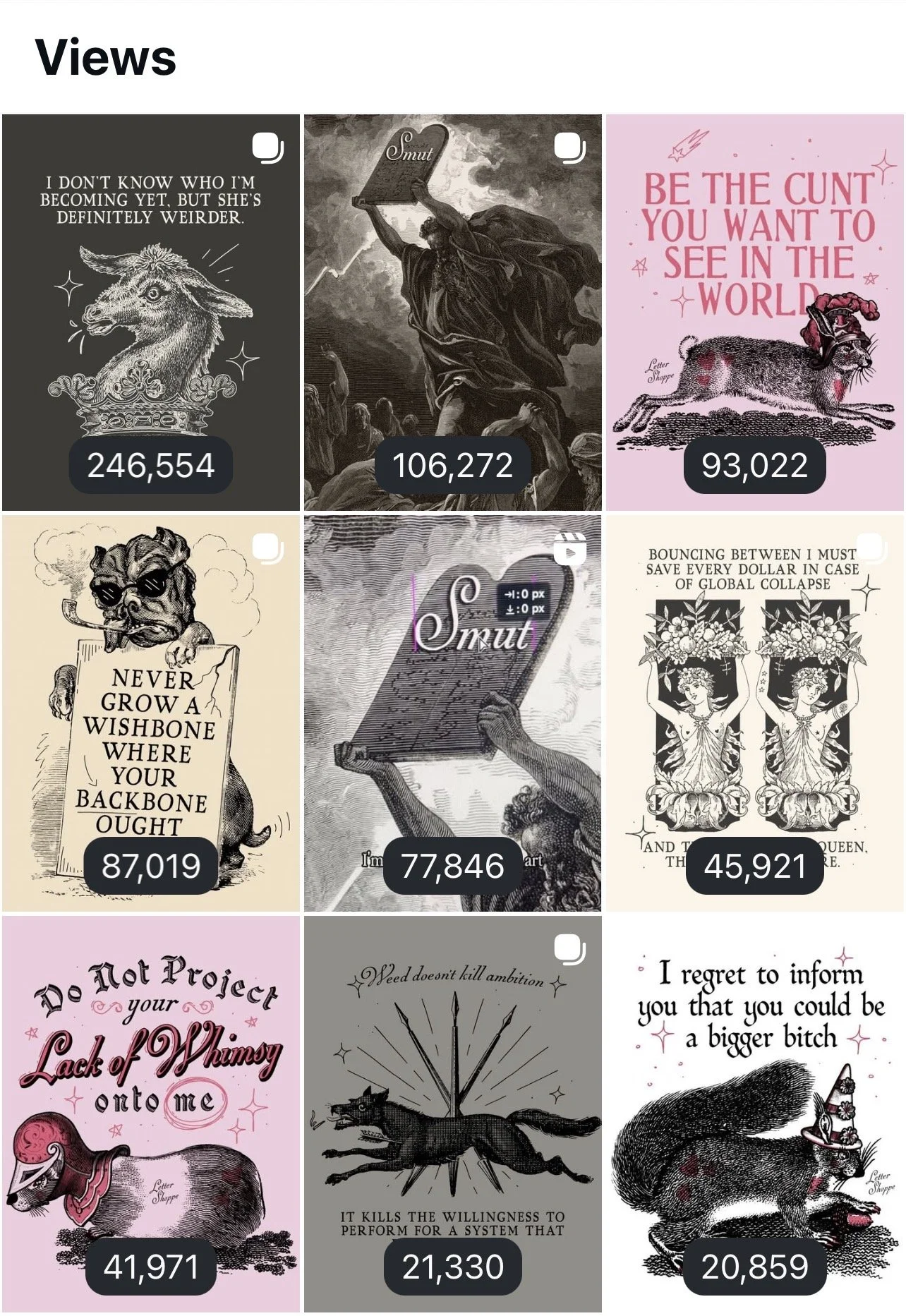
Having a big follower count looks nice, but it doesn’t mean much if those people aren’t actually paying attention. You can have 10,000 followers and still struggle to make sales. I see it all the time.
What really matters is watch time and engagement.
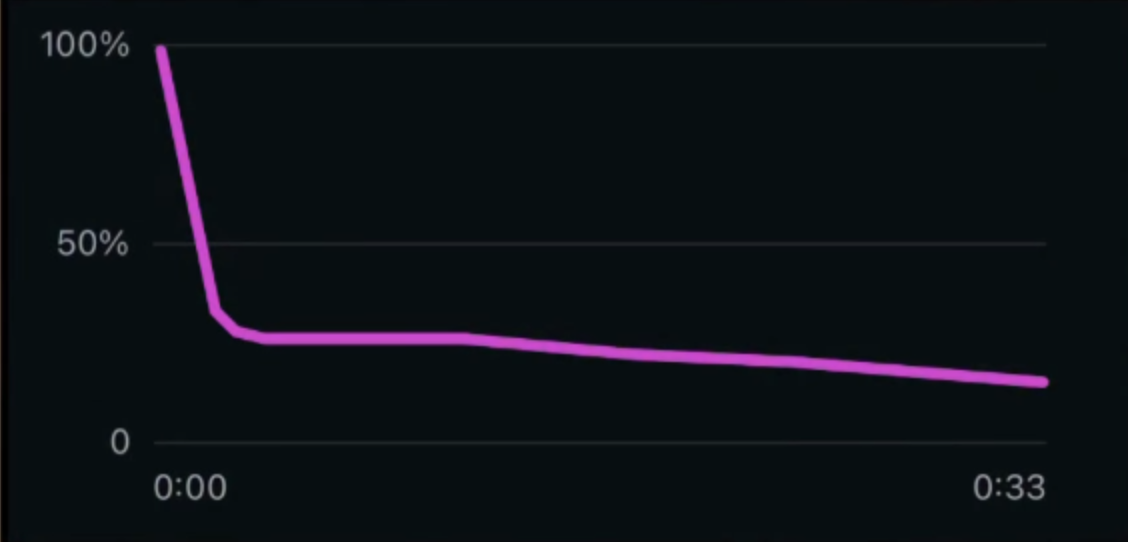
Platforms like Instagram care way more about how long someone sticks around than how many people follow you. That’s called retention, and Instagram literally shows you a graph that tells you exactly when people drop off your videos.
And once you know how to read it, it’s honestly kind of impossible to unsee.
Here’s what it usually means:
If the graph tanks right at the beginning, your hook didn’t work. People didn’t immediately get what the video was about or why they should care.
If there’s a noticeable drop in the middle, one of the points you were making just didn’t land. Maybe it felt confusing, boring, or not relevant to them.

If people leave right before the end, your call to action probably wasn’t strong enough to keep them watching.
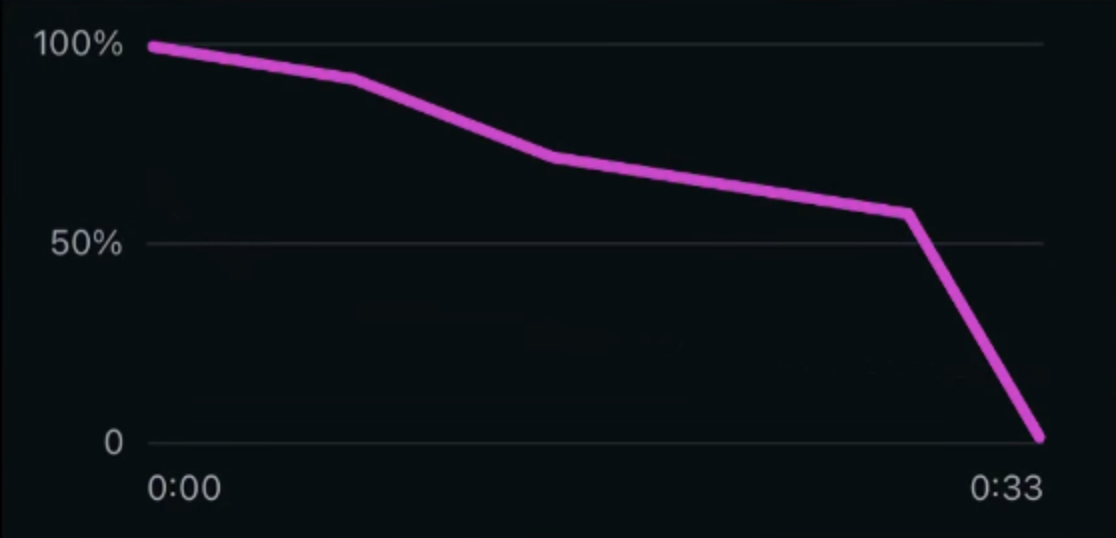
That’s why watch time is such a big deal. The longer people stay, the more the algorithm goes, “Oh, this is worth showing to more people.”
This is also why I don’t love posting a single static image anymore.
If you’re sharing final artwork, turn it into a carousel. Show the sketch. Show the messy middle. Show the details. Then show the finished piece.
Every extra slide someone swipes through counts as more time spent with your content. And Instagram will literally tell you which slide got the most likes, where people engaged the most, and where they lost interest.
That’s feedback you can actually use instead of guessing.
Myth #3: Saying “Link in Bio” Hurts Your Reach
It’s not the words “link in bio” that hurt your post, it’s what happens afterward.
Most platforms don’t love when people leave the app. So when someone sees your post, clicks your link, and exits Instagram or TikTok right away, that sends a signal to the algorithm that your content caused people to leave. When that happens over and over, your reach can slowly get downgraded.
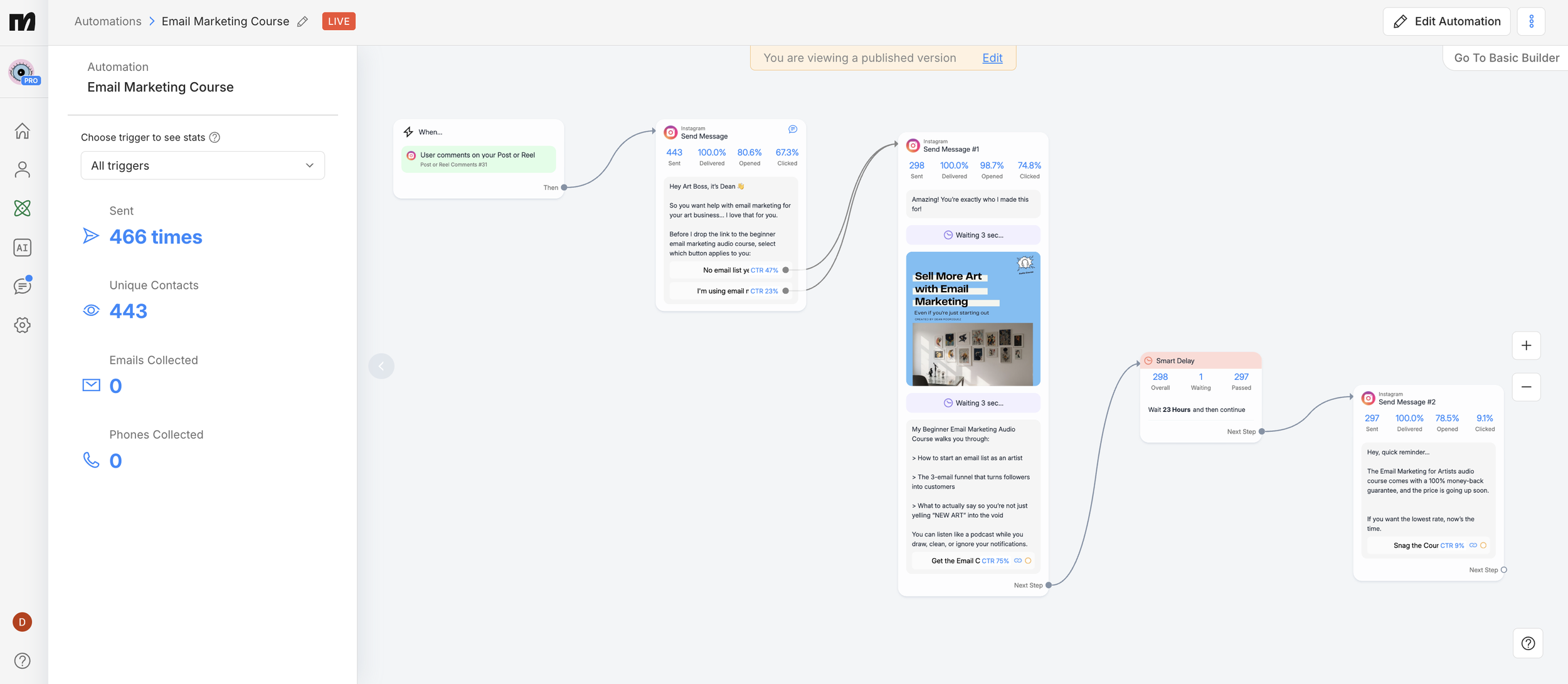
This is why I love DM automation tools like ManyChat.
Instead of telling people to leave the app, you can have them comment a single word and automatically receive the link in their DMs. It keeps engagement happening inside the platform first, which the algorithm prefers.
So instead of, “Link in bio to read the article.”
You can say: “Comment ‘READ’ and I’ll send it to you.”
Behind the scenes, that does a few really important things:
It adds comments to your post (which boosts engagement)
It keeps people on the app longer
It gives them a clear next step without friction
It sends them exactly where they need to go
That link could be to:
a blog post
a podcast episode
a specific product
a client inquiry form
No scrolling through your bio and no guessing which link to click. ManyChat is the main reason I get so much traffic to my website from social media.
Myth #4: Hashtags Are Important
Hashtags used to be the best way to get discovered. But after some major changes in 2025, SEO (keywords) matter way more!
✔ Instagram, TikTok, and Pinterest now prioritize keywords in captions.
✔ People use search bars to find content, so your captions should be optimized for that.
✔ Your bio and username should include searchable terms (ex: “Dark Fantasy Artist” instead of just your name).
Does this mean hashtags are useless? No.
But instead of dumping 30 hashtags on a post, focus on:
✔ Using 5 relevant hashtags that actually match your content and using those same keywords in your captions. For example, instead of “New painting!”, try “Surreal horror-inspired acrylic painting ”
✔ Optimizing your profile. For example, instead of just having “Illustrator,” try “Illustrator | Custom Tattoo-Style Prints.”
Think of hashtags as bonus points, not the main strategy.
Myth #5: Posting Instagram Stories Every Day Will Get You More Traffic
Right now, Stories are basically the only place you can add a direct link on Instagram, unless you’re paying for the blue check. And honestly, paying $50+ a month for a couple of links that barely work isn’t it. I tried it. It was unreliable and not worth it.
Because of that, a lot of artists feel like they need to sell in Stories every day. But that’s not really what Stories are for.
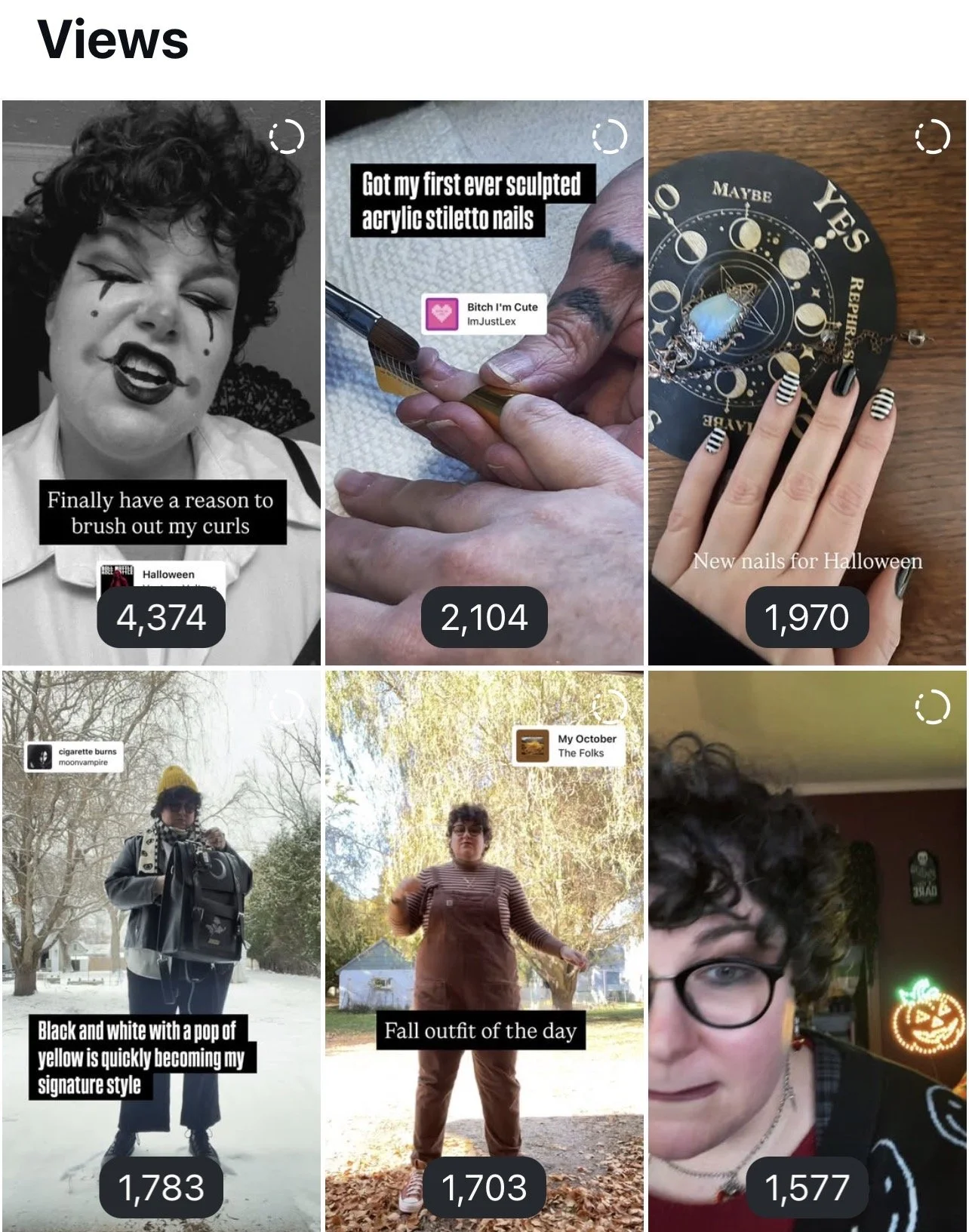
Stories are a check-in space.
People tap through them fast, usually on autopilot, unless something immediately grabs their attention. This is where audiences want to see what you’re up to day to day, not a constant sales pitch.
Use Instagram Stories to:
Ask questions or run polls
Share behind-the-scenes moments
Get feedback or votes on decisions
Show personality beyond your work
If you’re posting to Stories, post them in sets of at least three. People tap quickly and often miss the first slide. More slides also mean more watch time, which helps your Stories get shown to more of your followers.
Make the first slide the most interesting one. For my account Letter Shoppe, outfits-of-the-day performs best, or new nails, so I lead with that. If a product is available, I’ll link it later so it feels natural.
Myth #6: Using Third-Party Tools Hurts Your Reach
There’s a lot of fear around using third-party tools like DM automation or schedulers, with people worrying they’ll hurt engagement. That’s not true.
Tools like ManyChat and my favorite social media scheduler Buffer are approved partners with platforms like Instagram. If they negatively affected reach, these companies wouldn’t exist. Buffer alone publishes millions of Instagram posts every month, and I’ve personally tested scheduled posts versus posting natively with no meaningful difference in performance.
Tools don’t boost reach. They reduce burnout.
Schedulers like Buffer aren’t about cheating the algorithm. They’re about consistency. They let you batch content, avoid panic posting, and step back from constantly thinking about social media.
Reposting or scheduling takes seconds, and it gives you a clear view of what your feed looks like ahead of time.
What actually hurts engagement is posting without a strategy, guessing what works, and burning yourself out. These tools don’t replace strategy or retention data. They just make it possible to show up consistently without the constant stress.
The Real Secret to Social Media Success for Artists
The biggest shift most artists need to make on social media is letting go of strategies that used to work but don’t really move the needle anymore. Things like obsessing over follower count, posting every single day just to stay visible, or hoping hashtags alone will magically bring the right people to your work.
None of those guarantee engagement, and they definitely don’t guarantee sales.
What actually works for me and my mentorship students, is focusing on how people interact with your content. Engagement matters more than numbers. Watch time matters more than frequency. And having a clear plan matters more than posting on impulse.

For artists, you can use our #womenofillustration tag on your posts for a chance to be featured for free. But with hundreds of entries every week, we can’t promote everyone.
Here is the place where you can skip the line to show off your art and promote your business with a paid promo.
Please allow up to 3 business days for us to promote you.
Want a Little Extra Help Getting Seen on instagram?
If you want a visibility boost, especially while you’re working toward your first 1,000 followers, I offer paid shoutouts on Women of Illustration’s Instagram (830k+ followers), starting at $10.
Shoutout options include:
Story-only shoutouts
Feed reposts of your artwork with an SEO-optimized caption
Paid ad placement on our channel
Support for small business services or product launches
