
if I Had to Grow an Art Account to 100K followers From Scratch, Here’s Exactly What I’d Do
If I had to grow a brand-new art account from zero to 100,000 followers, I would treat the first six months as one giant content experiment.
I would choose four clear content pillars, make and share enough art to gather real evidence, test one main variable at a time, study what made people watch or connect, and repeat the ideas that proved they deserved another chance.
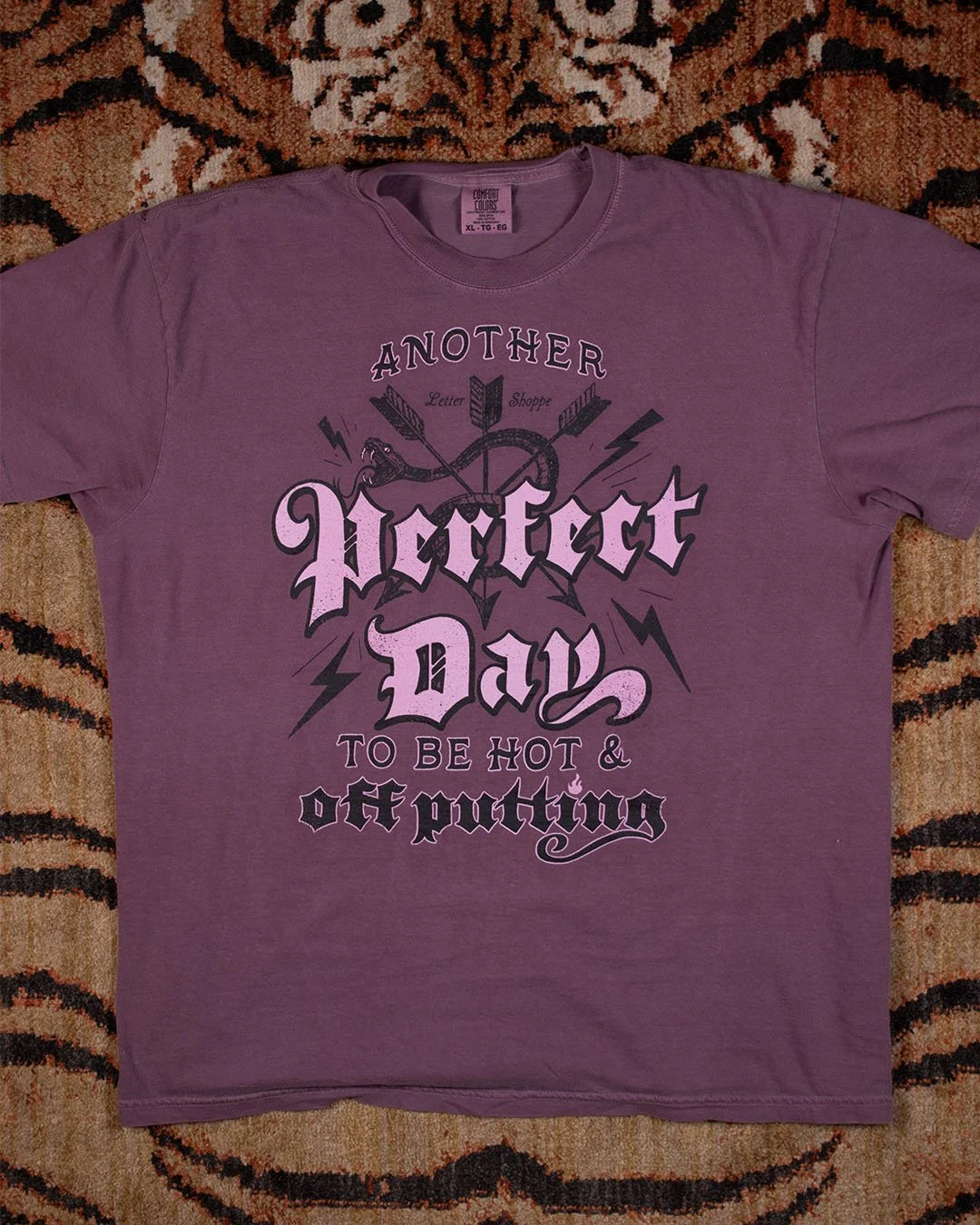
I have been building audiences online for 14 years, and I have grown several completely different accounts to more than 100k followers. That includes my art apparel account, Letter Shoppe, and my art marketing advice platform Women of Illustration.
So when I explain how I would approach a brand-new art account, I am pulling from years of testing this process across different audiences, subjects, and types of content. Not to mention, all the success I’ve seen for my coaching students over the years building their own social media platforms from scratch.
And yes, I cannot promise that every artist will reach 100K in six months. But if you gave me an empty account tomorrow and told me to create the best possible chance of reaching that goal, this is exactly where I would start.
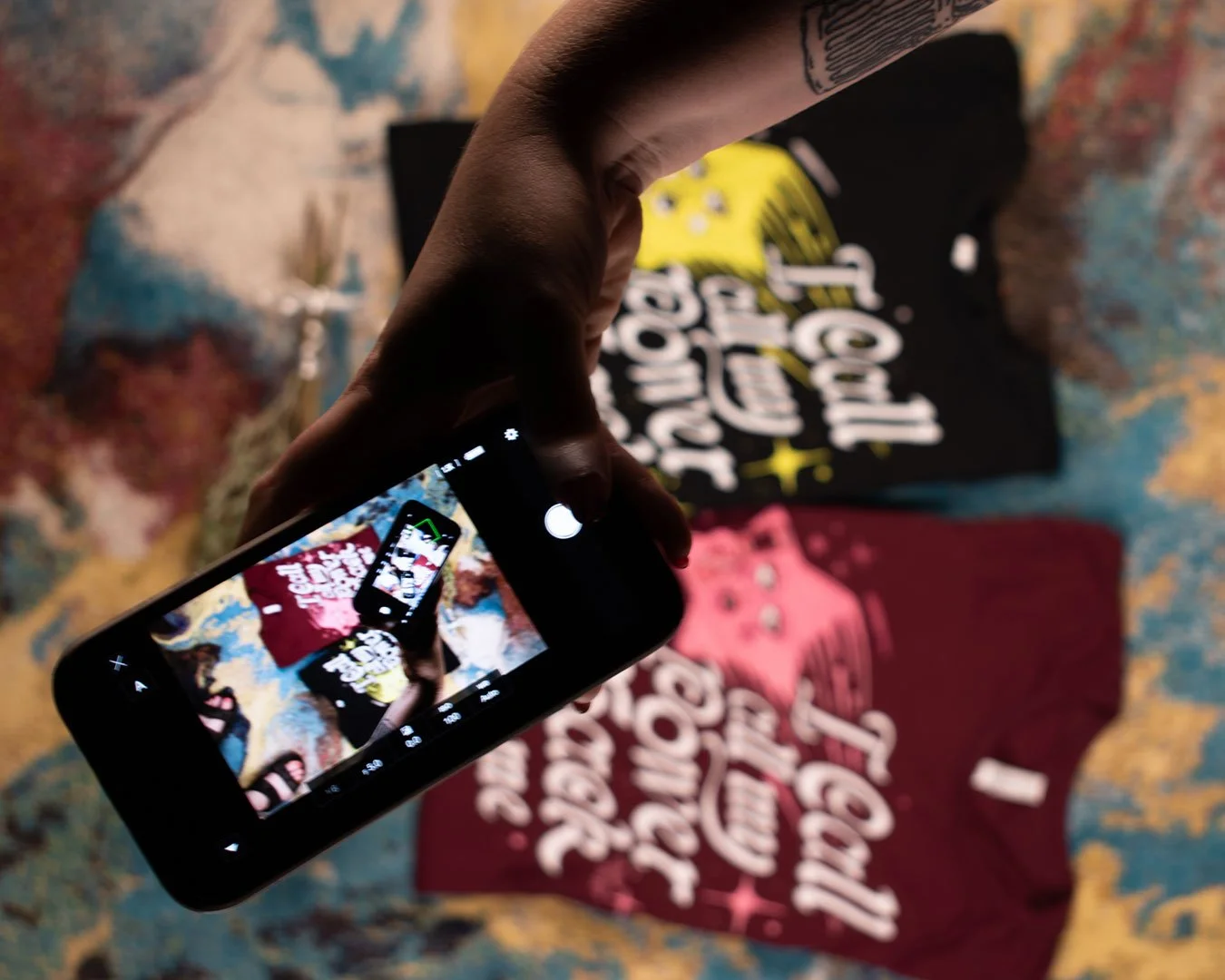
How do I figure out my content pillars?
Before posting anything, I would choose four content pillars so people could quickly understand what to expect from me as an artist. You do not need to be everything to everyone. You just need enough structure to make your account feel recognizable without becoming boring as hell.
Whether you create digital art, traditional art, tattoos, crafts, sculptures, ceramics, jewelry, or anything else with your hands, I would build my content around these four categories:
1. Your art
Show the actual fucking work. DUH!
That could include finished illustrations, paintings, sculptures, tattoos, sketchbook pages, close-up details, product mockups, styled photographs, gallery walls, or whatever best shows what you make.
You do not always need to explain the meaning, teach a lesson, or turn the post into a dramatic story. Sometimes the art just gets to be the art.
2. Your process
Most artists get this wrong by uploading endless speed paints with no storytelling or context.
Do not show every boring step simply because you filmed it. Capture a few five-second clips while you work and save them as B-roll. You can use those clips later while telling the story behind the struggle, mistake, experiment, decision, or big why driving the work.
If you are testing fabrics because you are sensory-sensitive, talk about that. If you completely fucked up a painting and had to rescue it, show me. If you changed the composition six times because something felt wrong, explain what you finally figured out.
Your process should reveal something about how you make decisions, solve problems, or care for the person who will eventually experience your work. You can tell that story with text on the screen, a voiceover, or by talking directly to the camera.
3. Your story
I divide storytelling into two styles: The Narrator and The Journalist.
The Narrator creates stories through characters, lore, mythology, fictional worlds, and the universe surrounding the artwork. This style may have very little to do with the artist’s personal life.
The Journalist pulls stories from real life. That could include burnout, imposter syndrome, boundaries, failures, relationships, childhood memories, identity, or experiences that influence what you create.
You can use one style or a combination of both. The goal is to give people a reason to care about more than the finished image.
4. Your interests
This is where your personality gets to bleed into the account.
Maybe you are like me and love thrifting, horror movies, plants, cozy games, fashion, cooking, or whatever else you cannot shut up about.
Sharing those interests gives people something else to connect with besides your art. Over time, those interests will probably influence your colors, subject matter, stories, or aesthetic anyway.
The four pillars work together:
Your art shows people what you make.
Your process shows them how you make it.
Your story shows them how you see the world.
Your interests show them who the hell you are.
A single post can fit into more than one pillar. A video about rescuing a ruined painting could show your art, explain your process, and tell a story about perfectionism at the same time.
These pillars are simply a way to make sure your account gives people multiple reasons to pay attention, connect with you, and eventually care about what you create.
If you want to go deeper, I have a complete guide to building an Instagram strategy for artists.
How would I actually launch my art account?
The first 90 days would be one giant experiment because I would be starting with almost no information.
I would not know whether my audience wanted six-second videos, two-minute long rants, voiceovers, talking-head videos, process footage, or clips of me silently painting while text floated around my head.
Instead of guessing, I would test the shit out of everything. But I would not test everything at once.
If you change the hook, camera angle, video length, filming location, editing style, and call to action in one video and it suddenly performs better, congratulations. You learned absolutely nothing because you have no idea which change made the difference.
I would focus on one main variable at a time.
One week, I might use the exact same script to test talking directly to the camera against a voiceover. Another week, I might use the same voiceover but compare opening with my face against opening with my artwork.
And yes, you can absolutely repost and reuse content this way. The goal is to keep the core idea consistent while changing one part of how you package it.
Other content experiments could include:
Short videos versus longer stories
Process footage versus the finished artwork
Educational posts versus personal stories
Polished studio footage versus casual filming
Specific hooks versus broad hooks
Curiosity-driven hooks versus direct hooks
Different opening visuals
Different calls to action
Months later, once I had enough posts and patterns to study, I might get stupidly specific and test whether an arched text hook performed better than straight text. But girl, please do not start there.
If you are analyzing the curvature of your text boxes on day three, you are going to drive yourself fucking insane.
How do I know if a social media post did well?
I would compare it to my normal performance, not somebody else’s viral numbers.
Let’s say most of my videos get 250 to 300 views. Then one gets 1,500. You might think, “Well, 1,500 isn’t viral.”
I’m thinking, “Hold the fuck up. Why did that one perform five or six times better?” That is a clue.
Was it the first sentence? The topic? The visual in the opening seconds? Was my face visible? Was it a voiceover? Did people share it? Did they visit my profile? Did it actually bring me followers?
And this is where people get tripped up: the most-viewed post is not automatically the most valuable post.
A post can get a shitload of views and barely create a relationship with the people who watched it. Another post might get fewer views but generate far more followers, shares, comments, profile visits, or sales.
Before I judge a post, I need to know what job I gave it.
If the job was reach, I care about views.
If the job was audience growth, I care about follows.
If the job was connection, I care about comments and shares.
If the job was sales, I care about clicks.
Do not fire a perfectly good sales post because it did not gain thousands of followers. Do not call a post a sales success because it got 100,000 views and sold absolutely nothing.
Give each piece of content a primary job.
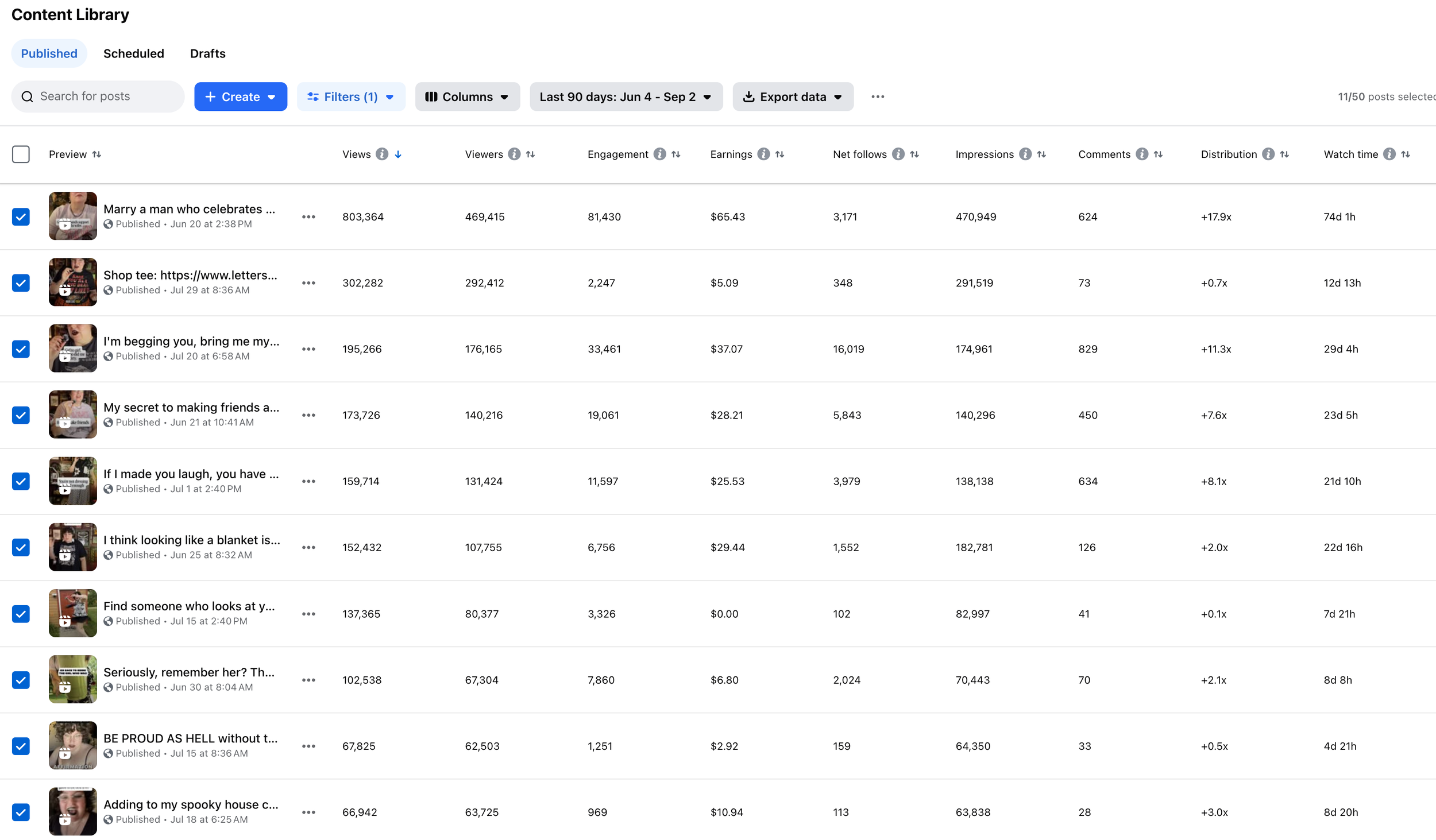
The 90 day facebook audit I did for my t-shirt business
I recently wanted to understand why some of my Letter Shoppe Facebook Reels were getting pushed so much harder than others. I only recently started posting content consistently there, so I pulled content from the last 90 days.
First, I selected my 10 most-viewed Reels. Then I found 10 average Reels by looking for Facebook distribution scores around 0.0x or slightly below.
Distribution shows how strongly Facebook pushed a video compared with my typical content. Positive scores mean wider distribution, while neutral or negative scores help identify average or weaker posts.
I could not easily sort everything by shares or link activity inside the professional dashboard in Facebook sadly, so I worked with what Facebook actually gave me:
Views
Viewers
Engagement
Net follows
Impressions
Comments
Distribution
Watch time
Then I did something very important: I watched the actual videos.
Analytics can tell me which post moved the needle on my goals. They cannot tell me why a sentence felt personal, why a joke was easy to share, or why one product mention felt natural while another felt forced onto the end.
You need the numbers and the content, to figure out why something works.
What did the numbers tell me?
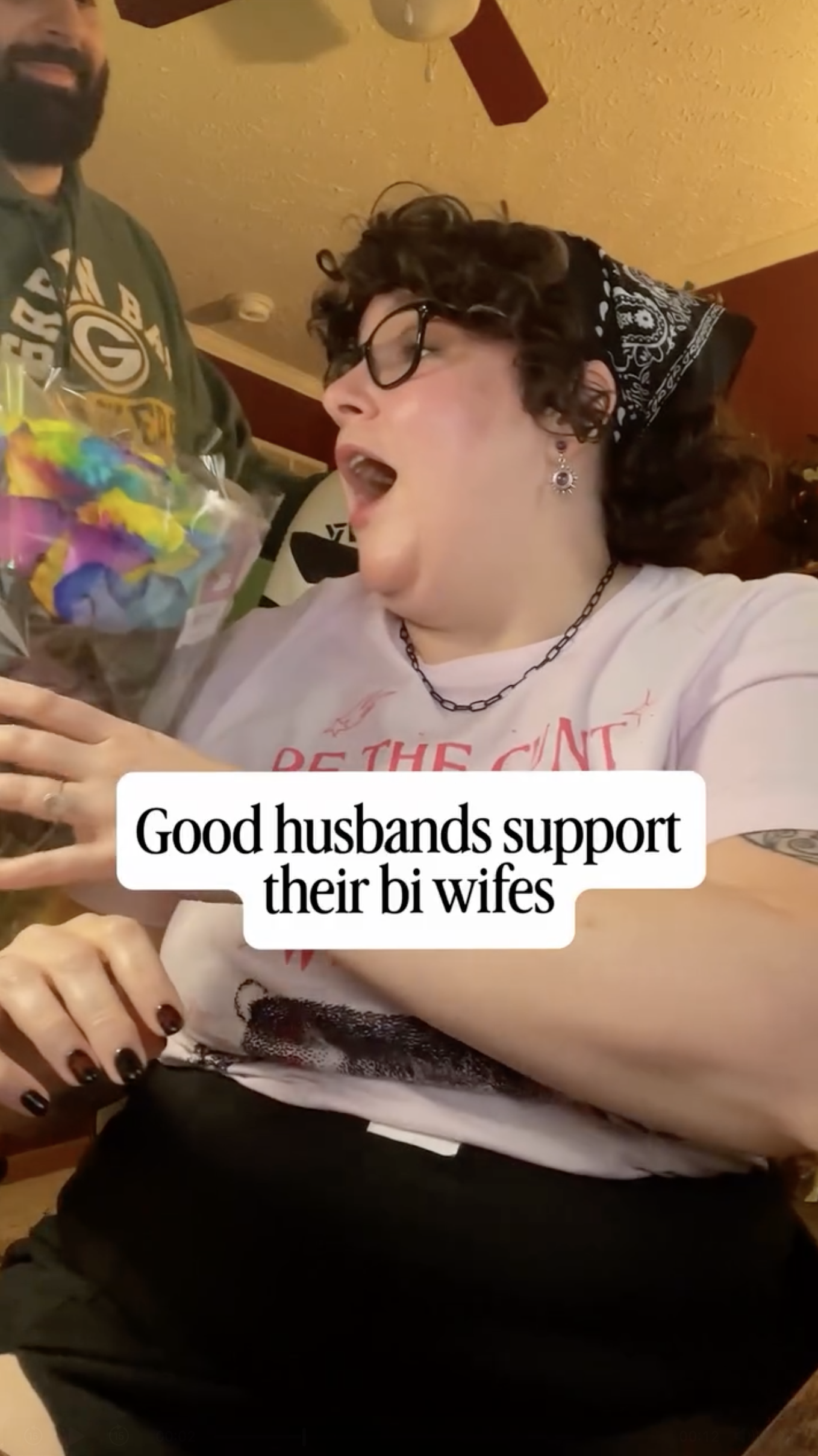
My highest-viewed Reel was a 12-second candid video of my husband bringing me rainbow flowers for Pride Month. I created this video for the sole purpose of attracting more of a queer community to my account.
The written hook said:“Good husbands support their bi wives.” Then my husband handed me the flowers, I asked if they were rainbow because I’m gay, and we both laughed. That Reel received more than 803k views, roughly 81k engagements, more than 3k net follows, and a distribution score of +17.9 times.
Why did it work so well? The video was short, funny, and easy to understand. It showed a real relationship moment instead of giving people advice about relationships. The Pride connection gave it a clear identity, and the hook told viewers exactly who the video was for.
It was also incredibly easy to share. Someone could send it to their husband and say, “Take notes.” They could share it because they wanted this kind of relationship for themselves. Facebook kept pushing it because people immediately understood it and wanted other people to see it.
My second-most-viewed Reel helped me find more of my people
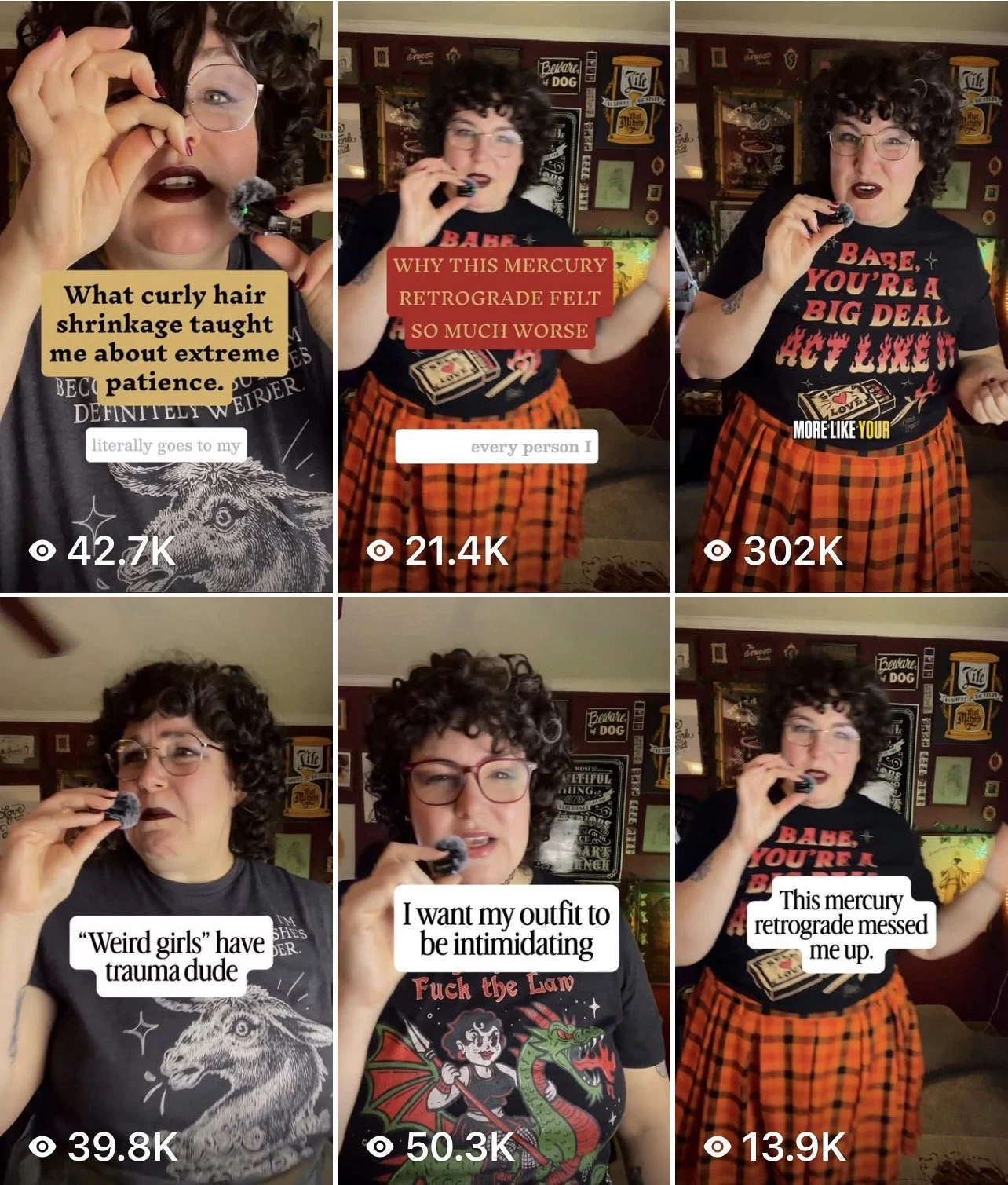
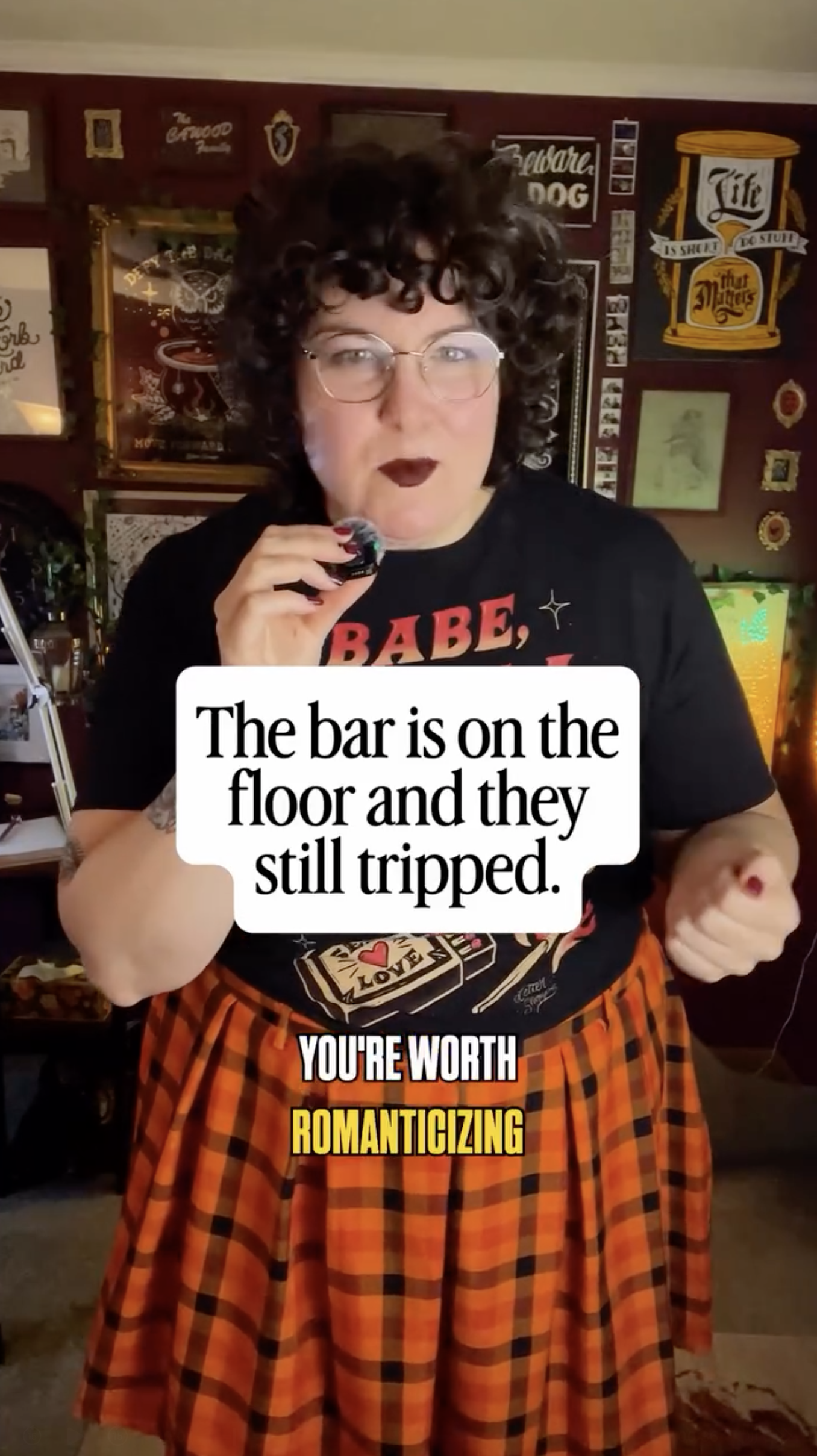
That video started with a text hook of, “The bar is on the floor and they still tripped.” I used that hook to introduce my “Babe, You’re a Big Deal” tee. I talked about romanticizing yourself, raising your standards, and wearing clothes that remind you to stop making yourself small.
The video received more than 302k views, but only around 2,200 engagements and 348 net follows. That is a huge difference. The hook was strong enough to stop people. “The bar is on the floor and they still tripped” is funny, dramatic, and makes you want to know who fucked up. The shirt I made was also visible immediately, so the video worked well as product content.
But after the hook, the message became broader. I talked about several ideas and then moved into selling the shirt. There wasn’t one specific story, person, or moment for viewers to connect with. People may have watched because the opening caught their attention. They had fewer reasons to comment, share it with somebody, or follow me afterward.
It reached people, but it didn’t build the same relationship.
but My third-most viewed Reel got me 16k followers
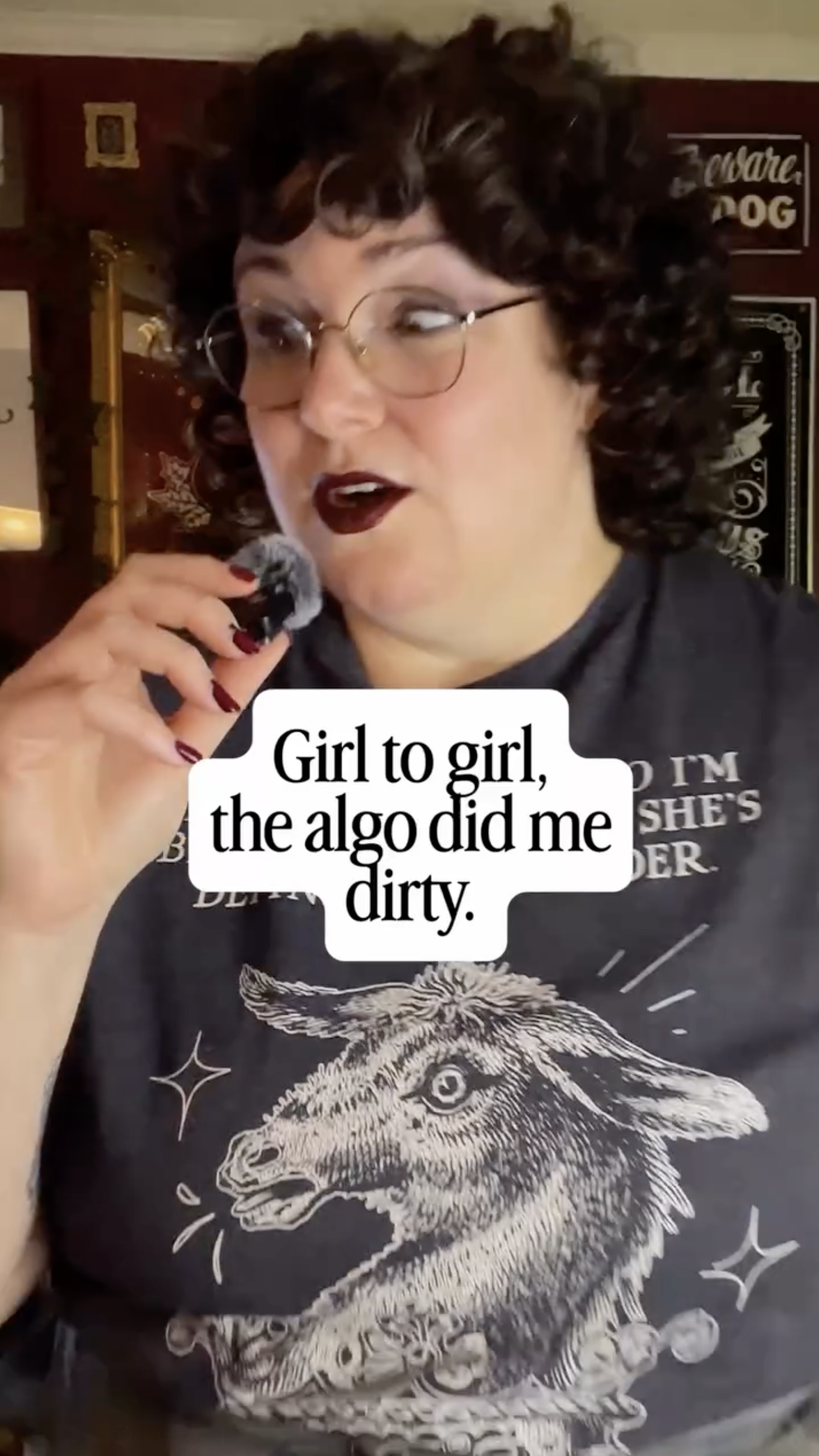
Then I looked at a Reel that started with: “Girl to girl, the algorithm did me dirty.”
In that video, I explained that Facebook kept showing my content to too many men. So I directly called in the audience I actually wanted: delightfully weird, alternative women who enjoy dressing loudly and being unapologetically themselves.
I was also wearing my “I don’t know who I’m becoming yet, but she’s definitely weirder” shirt, which perfectly matched the people I was trying to attract.
That Reel received around 195k views. That was more than 100k fewer views than the “bar is on the floor” video. But it generated more than 33k engagements, and Facebook attributed more than 16k net follows to it. Damn.
Why did that hook work?
First, “Girl to girl” immediately told the right people that I was talking to them. Then “the algorithm did me dirty” created a question. People wanted to know what Facebook had done and why I was annoyed.
Finally, I described the exact kind of person I wanted to reach. When viewers recognized themselves in that description, following me felt like raising their hands and saying, “Hi, yes, I’m one of the weird women you’re looking for.”
The video didn’t simply talk about me. It invited the right viewers to become part of something.
So which video was better? That depends on the job.
The 302k-view “babe, your a big deal” video was excellent at getting a shirt in front of a large audience.
The 195k-view “girl to girl” video was dramatically better at attracting the exact people I wanted and convincing them to follow me.
And the 803k-view Pride video was incredibly shareable because it showed a funny, specific relationship moment people wanted to send to someone they loved.
If I only sorted these videos by views, I would miss all of that completely. The numbers told me what happened. Watching the videos and comparing the hooks helped me understand why.

So, what was the common denominator?
After comparing my strongest and average-performing Reels, the biggest lesson was surprisingly simple: Specific stories beat broad advice.
Which is hilarious, because I’m always telling my coaching students. Be. More. Specific.
My weaker videos often started with a general lesson about confidence, self-love, creativity, or personal style. The message might have been true, but it could have come from almost anyone.
As a e-commerce focused art business, the strongest content followed this pattern:
Specific hook → personal story → one clear takeaway → natural connection to my art or product
I also noticed that my most successful videos gave people a reason to send them to someone else. They made viewers think:
“That is me.”
“That is so my friend.”
“That is my relationship.”
“She needs to hear this.”
So if I were starting a new account today, I would ask four questions before posting:
Is my opening specific enough to create curiosity?
Am I telling a real story or repeating a broad lesson?
Will someone recognize themselves or another person in it?
Does my art or product belong naturally in this story?
one post is evidence, not a final verdict
I tested the exact same video twice. In it, I explained how wearing shirts that loudly show my personality helps me make friends as an adult. The right people see the shirt, understand my sense of humor, and feel comfortable walking up to talk to me. My clothing basically does the awkward work of starting the conversation for me.
The video, delivery, story, and product were identical both times. The only thing I changed was the written hook.
The version that opened with “My secret to making friends as an adult” received around 174,000 views.
The version that opened with “Want to know the cheat code?” received around 43,000 views.
The first hook worked better because it immediately told people what the video was about and who it was for. Making friends as an adult is a specific problem that many people recognize. “Want to know the cheat code?” creates some curiosity, but it is so vague that viewers have no idea whether the answer will matter to them.
That taught me two important things.
First, a weak result does not always mean the story or video was bad. Sometimes the packaging was the problem.
Second, clear hooks often beat clever hooks. People should understand within seconds why they should keep watching.
If I believed in an idea but the first post underperformed, I would test it again with a clearer hook before abandoning it. Over time, I would look for repeatable stories that connect my life, my audience, and my art.
For me, those might include:
Things I learned later than I should have
Stories behind specific designs
Strange compliments or reactions to my clothes
Moments when my clothing helped me find my people
Opinions that delight the right people and annoy the wrong ones
That would give me a repeatable content system without forcing me to tell the exact same story every week.
But to test those stories, learn from them, and keep growing, I would also need enough artwork to support the content. That leads to the next question: How much art would I actually make while trying to grow?


How much art would I make while trying to grow?
As much as I could make sustainably. So If I could finish one strong piece of art every week, that would be plenty. I would make the art I wish existed and stop immediately asking whether every drawing could become a product.
At this beginning stage of starting an art account from scratch, I want enough work in the world to discover what people actually connect with.
And please stop posting your artwork once and declaring it dead. You spend 20 hours making something, post it once, get 376 views, and apparently that poor fucking drawing is never allowed to see daylight again. Post the fucking piece again.
One piece of art could become:
A process video
A close-up detail
A finished reveal
A voiceover explaining its meaning
A mistake you made while creating it
A carousel showing how it developed
A story about what inspired it
A photo of you just fucking holding it
One new piece could easily give me five or more posts. The artwork stays the same. The story around it changes.
This also gives every piece more than one chance to reach the right people. Sometimes the art is strong and the first hook, format, or posting time simply does not work. Yay, more things to test!
When would I start selling something?
Probably not immediately. Because if growing and understanding my audience were my first goals, I would not turn every other post into an advertisement. I would pay attention to what people repeatedly ask for.
I want to see comments like:
“Do you sell prints?”
“Can I buy this?”
“Do you take commissions?”
“Is this going to be a shirt?”
“Do you teach this?”
Those questions are fucking gold because the audience is telling me what they already want. Once I noticed the same request appearing repeatedly, I could test a small offer without investing a ton of money. I could open a commission waitlist, take print preorders, sell a small digital product, or release a limited number of shirts.
I could also build it in public. Show the sketches. Ask questions. Share the samples or packaging. Talk about why I am making it. Let people watch it come together.
And if I keep showing an idea and nobody gives a shit? Great.
I learned that before ordering 500 of them.
What would I set up immediately?
My email list. Even if I had 50 followers, no products, and barely a website, I would give interested people somewhere to go if they wanted to hear from me again.
It could be as simple as:
Like my work? Join my newsletter and I’ll let you know when I release something new. That is enough.
I do not need a giant lead magnet or some ridiculous 48-email funnel yet. I just need a direct way to stay connected with the people who care about what I am making.
And by the way, my email list has saved my ass many times. Instagram has literally gone down during major launches for me. More than once.
Because remember, social platforms can change the algorithm, limit my reach, suspend my account, or disappear for the day. My email list gives me a way to reach my audience directly.
If email marketing is new to you, I have a full beginner’s guide to email marketing for artists.
How would I turn followers into customers?
Eventually, I want the journey to look like this:
Scroll → Follow → Subscribe → Buy
Someone discovers my work while scrolling.
They connect with it enough to follow me.
I give the most interested people a reason to join my email list.
Then, once I understand what they want, I can direct them toward my store, commissions, classes, digital products, or whatever I decide to build. And I would focus on one revenue stream at a time. I would not try to launch a print store, freelance business, membership, course, and digital-download shop simultaneously.
Because that is how I built my own illustration career.
I grew my audience while I still had a day job. As that audience grew, people began asking me for prints, shirts, freelance work, logos, murals, and product designs.
The demand came first. Then I built the infrastructure underneath it. Social media gets attention. Your sales funnel decides what happens with that attention.
What can I download to help me test this strategy?
This article is also available as a podcast episode over on my Substack, Women of Illustration: Make Art Make Money.
And if you’re a paid subscriber, you get more than just the episode.
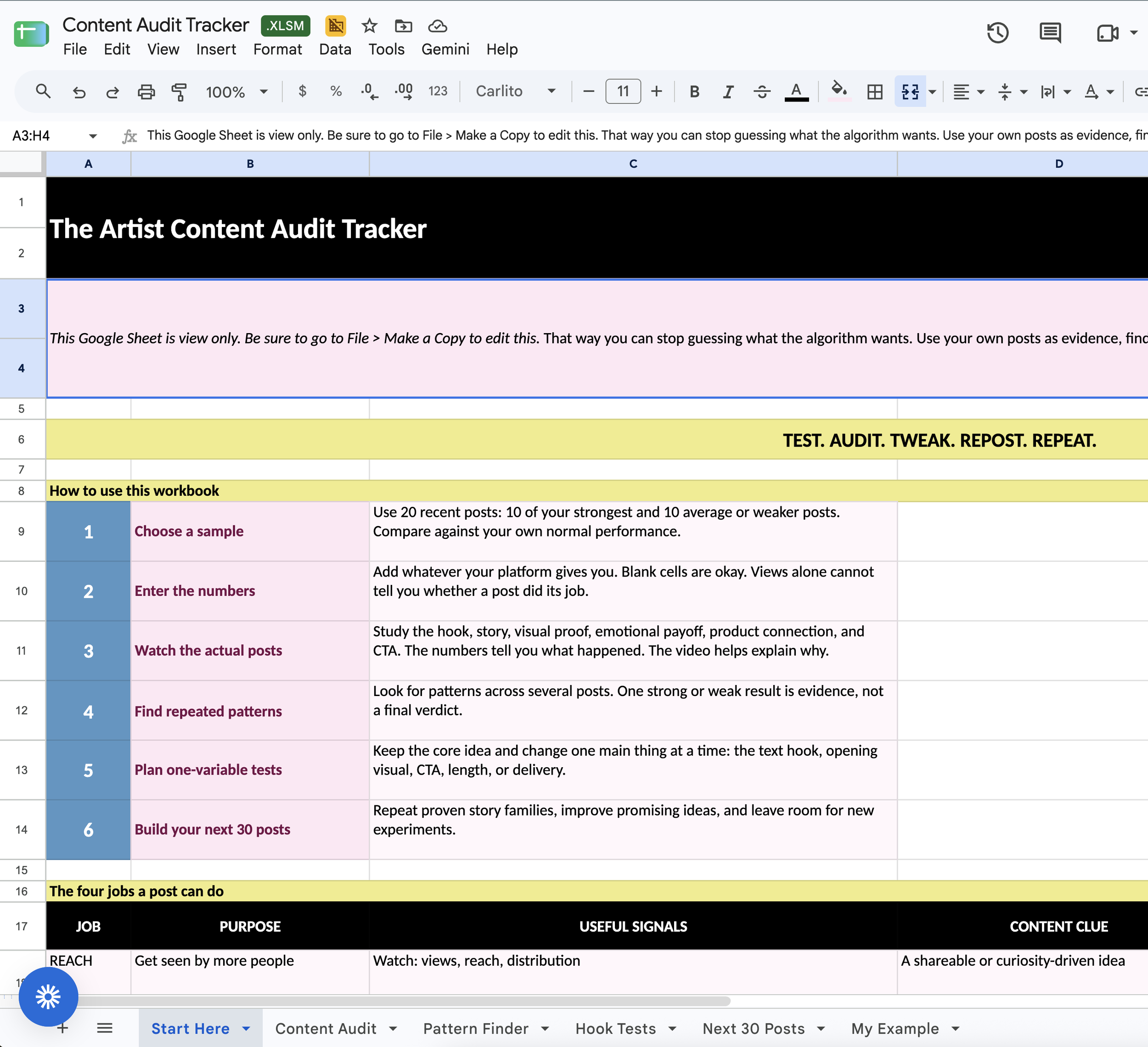
I created an Artist Content Audit + 30-Post Experiment Tracker to help you use this strategy without keeping all this shit in your head or staring at a blank spreadsheet wondering what the hell you’re supposed to track.
Inside the guided workbook, you’ll be able to:
Audit your strongest and average-performing posts using views, reach, engagement, follows, shares, watch time, and whatever other numbers your platform gives you.
Calculate your engagement, follow, and share rates automatically so you can compare posts more fairly instead of judging everything by views.
Give every post a job by deciding whether it was created for reach, growth, connection, or sales.
Study what was actually inside each post, including the written hook, verbal hook, story, visible proof, emotional payoff, product connection, and CTA.
Find your common denominators using guided questions that help you spot the hooks, stories, visuals, and themes that repeatedly connect with your audience.
Run controlled content experiments by testing the same idea three to five times while changing only one main variable, like the text hook, opening visual, CTA, length, or delivery.
Plan your next 30 posts using a mix of proven winners, improved versions of promising ideas, and completely new experiments.
What other resources do paid subscribers get on Substack?
Paid subscribers also get two co-working sessions every week on Mondays and Fridays. We hop on Google Meet together, turn our microphones off, body double, and finally get the tasks we’ve been avoiding off our fucking to-do lists. We also chat briefly at the beginning and end, so we can ask questions, catch up, and get kind critiques on our work.
You’ll also get weekly social media tips based on current industry trends, along with the complete paid podcast episodes and the subscriber-only templates that go with them.
Eventually, I’ll also be adding monthly group coaching calls so we can go deeper into what you’re working on, what’s getting stuck, and what needs to change.
All of that is included for $20 a month.

How can I build the rest of my art marketing system?
Social media is only step one.
I’m creating a full online course called the Artist Sales Engine, and it’s built to help you create the entire system that takes someone from discovering your work to actually becoming a customer.
We are building the full scroll → follow → subscribe → buy journey, including:
Your content pillars and brand foundation
Your social media strategy
How to read your analytics
How to build and reuse your Content Vault
Your email newsletter and welcome system
Your website and sales funnel
How all of those pieces work together so you are not relying on one viral post to make money
This course came directly from the work I have done with artists inside my longer 6-month mentorship program. The goal was to take the same core system and turn it into something you can move through much faster instead of spending six months trying to piece everything together on your own.
You can currently watch the entire first module for free through my Brand Foundation training, so you can actually see how I teach before deciding whether you want to join.
The live beta of Artist Sales Engine is currently 50% off and includes Q&A in every session, which means you can bring your own artwork, content, website, and questions while we build the system together. Once the final course is complete, the evergreen version is planned to be $999.
If you have spent the last year posting, hoping something goes viral, and then wondering why the attention never turns into sales, this is the fucking part you are missing.
Getting attention is step one.
Artist Sales Engine is about building the system underneath it.

BONUS SOCIAL MEDIA FAQS
-
No. Some audiences love talking-head videos. Others respond better to voiceovers, hands-only footage, POV videos, or just seeing the art itself. Test a few formats and let your analytics tell you what your audience actually prefers instead of forcing yourself into a style you hate.
-
Often enough to collect useful data without burning yourself out. I care much more about consistency and having enough posts to spot patterns than chasing some magical perfect posting schedule. If you can post three times a week consistently, that is more useful than posting twice a day for one week and disappearing for a month.
-
Usually, no. Bad posts are still data. Look at what may have gone wrong, whether it was the hook, format, topic, pacing, or call to action, and use that information when you remake it later.
We’re doing science here.
-
I usually give it some breathing room like 2 weeks, then bring it back with a small change. You might tighten the intro, change the text hook, use a different caption, clip out a part where retention dropped, or test a new call to action.
The goal is not to repost blindly. The goal is to learn whether the thing that worked can work again.
-
If I am building an account with business goals in mind, I generally want access to professional tools and analytics as early as possible.
-
Not nearly as much as people make them out to.
Voiceovers work. Talking works. Natural sound works. Commercially cleared music works. Sometimes music is actually distracting when the main thing I want someone paying attention to is what I’m saying.
