
How Illustrators Can Stay Relevant in a Changing Industry
If you’ve been designing or illustrating for more than a year, you’ve probably felt it already. New software shows up. Workflows get faster. A.I. comes as scares the crap out of us. All of it stacks up quickly, especially when you’re also trying to pay your bills.
Personally, I kind of love this part of the industry. It keeps my work from ever feeling boring. There’s always something new to learn, and that curiosity is a big reason I’ve stayed in this field for so long making 6-figures. At the same time, I get how stressful it can feel when you don’t have the time or energy to keep up with everything.
Staying relevant usually comes down to knowing yourself. Knowing how your brain works. Paying attention to what actually helps you grow and letting go of what drains you. You don’t need to chase every update. You just need to stay connected to the things that support your career long-term.

Art by LABASAD Student Emily Hamnett
What actually matters when you want editorial or advertising work
If you’re interested in editorial or advertising illustration, communication matters a lot. How you explain ideas. How you work within brand guidelines. How comfortable you are collaborating with people who think very differently than you do.
This is something I had to learn the hard way. The schools I went to focused heavily on style, technique, and concept, but we didn’t spend much time talking about how to communicate through a project. Once I started working professionally, I had to figure that part out on my own.
That meant learning how to handle revisions without getting defensive. Learning how to ask better questions. Learning how to stay accountable to the project as a whole instead of only focusing on what I personally thought looked coolest.
A lot of client feedback is about how the work functions, even when they don’t phrase it that way. Many professional illustration decisions come down to questions like:
Can this be read from far away, like on a billboard?
Does it still work when it’s small, like a spot illustration or a thumbnail?
Do the colors match the feeling the message is trying to convey?
When someone says “make it pop,” do they mean more contrast, clearer hierarchy, or stronger focus?
Is the illustration supporting the message or fighting for attention?
Being able to talk through these questions calmly and clearly builds trust very quickly.
Try this:
The next time a client says “make it pop,” ask one follow-up question before touching the artwork. “What should feel clearer or stronger when someone looks at this?” That one question alone can save hours of revisions.
Illustration always lives inside a bigger system. Editors, art directors, writers, and marketing teams all bring different priorities to the table. The more you understand how your work fits into that system, the easier collaboration becomes and the more consistent your opportunities tend to be.
This kind of professional thinking is something programs like the Online Master in Editorial and Advertising Illustration at LABASAD focus on heavily. The goal is helping illustrators understand how their work functions in real projects, from communication to collaboration to delivery.

Art by LABASAD Student Sayari Banerjee
Learning new skills without putting your life on pause
I know what you might be thinking. I don’t have time to go back to school.
Future-proofing your career for the next few decades usually takes more than a handful of free YouTube videos. Learning later in your career looks very different than learning right out of high school. Most illustrators can’t pause their income or step away from client work completely.
That’s why structured online learning works so well. Programs with real syllabi, live classes, critiques, and feedback let you build new skills alongside a day job or freelance work. You’re learning in real time, based on how the industry actually works right now.
One thing I’ve always valued most is live critique. Hearing professionals talk through decisions. Hearing why something works or doesn’t. Getting honest feedback while a project is still in progress. When those sessions are recorded, it makes learning even more accessible. Peer feedback especially helps you grow faster because you start seeing patterns beyond your own work.
A lot of illustrators get stuck bouncing between random tutorials without a clear direction. It feels productive, but it rarely builds momentum. Structure makes learning easier to stick with.

Art by LABASAD Instructor Barbara Malagoli
Your personal style matters, and so does how you use it
A lot of creatives spend years stressing about “finding their style,” and then even more time trying to refine it. The truth is, you already have a personal style, even if things feel a little scattered right now.
Personal style helps your portfolio stay recognizable. It also makes your process faster. The way you draw, the colors you naturally gravitate toward, and the subjects you return to help clients quickly understand what you’re good at and what kind of work you can produce consistently.
Career growth comes from learning how to apply that style to real projects. Editorial illustration, advertising campaigns, and visual storytelling briefs all ask you to think about audience, format, and purpose. They also push you to use tools and technology in ways that make your workflow more efficient so you’re not clocking endless hours.
Quick self-check:
If a client asked you to apply your style to a magazine spread, a billboard, and a mobile ad, would you know what to adjust for each one?
Illustrators who understand both creativity and context tend to have more flexibility and longer careers. These fields continue to offer solid opportunities for artists who know how to translate their voice into professional work.
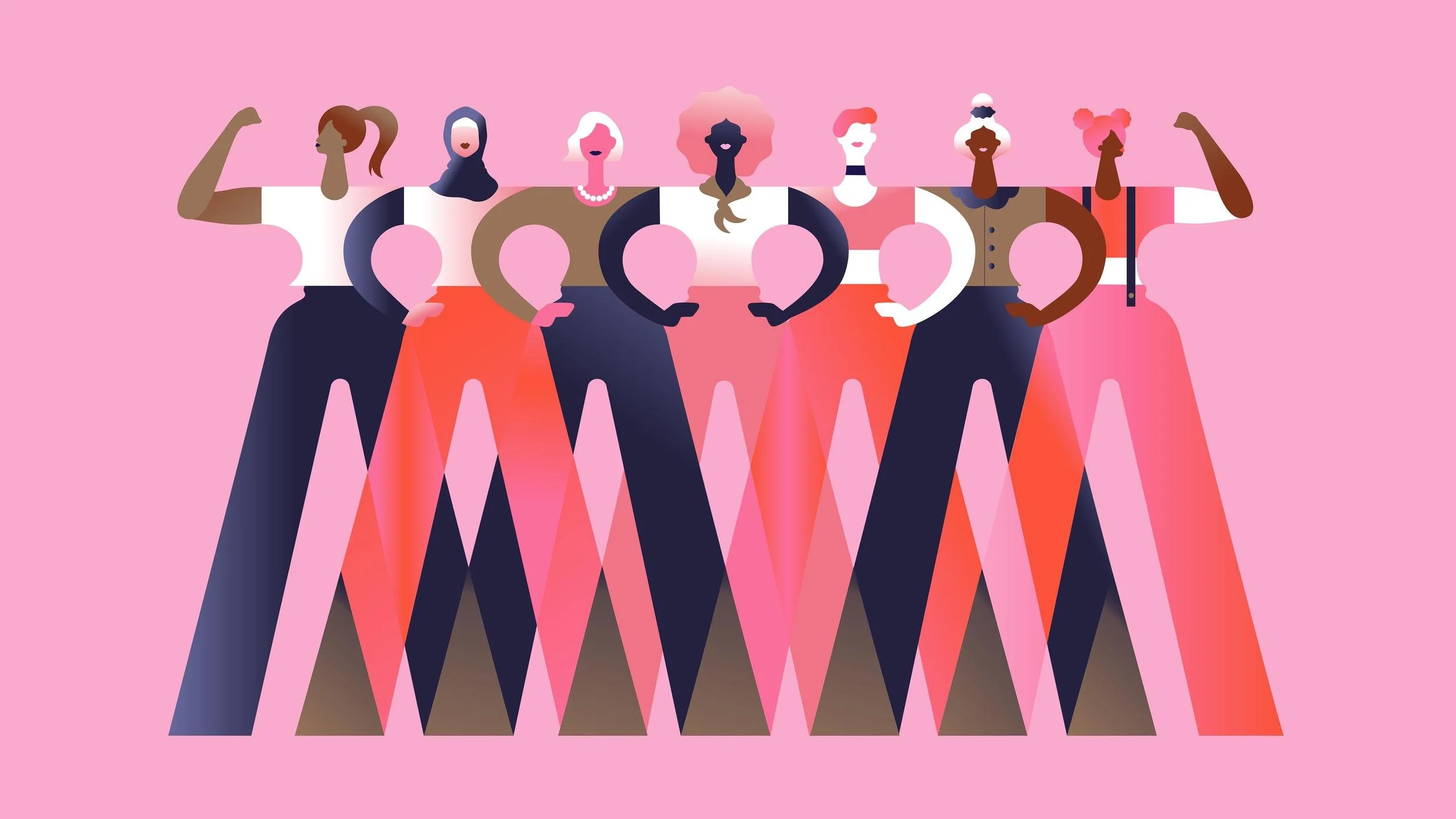
Art by LABASAD Instructor Barbara Malagoli
Why I keep recommending the online master at LABASAD
I’ve written about LABASAD before, and I’ve been open about the fact that I seriously considered getting a master’s degree myself, even after more than 13 years as a full-time artist.
What stands out to me about their Online Master in Editorial and Advertising Illustration is the focus on live classes, critique, and learning directly from professionals who are actively working in the field.
The 12-month structure supports steady growth. Students strengthen the visual language of their portfolios, learn current formats and tools, and get clear guidance on how to present their work professionally. There’s also a strong focus on positioning, marketing yourself, and understanding how illustrators actually show up to their jobs.
The outcome isn’t just better work. It’s clearer conversations, fewer revision cycles, and more confidence when presenting ideas to clients.
